Frequently Asked Questions
What's the difference between flatbed and wheel-lift towing for cars?
Flatbed towing loads your entire vehicle onto a flat platform, eliminating wear on the drivetrain and suspension. Wheel-lift towing secures the front or rear wheels while the opposite end rolls, which works for short distances but can stress all-wheel-drive systems. Flatbeds prevent additional damage during transport, especially for low-clearance or AWD vehicles.How does medium duty towing differ from light duty service?
Medium duty towing uses equipment rated for commercial vans, service trucks, and box vehicles that exceed standard car towing capacity. Weight distribution matters more with these vehicles—improper securing causes frame stress and cargo shifts. Specialized rigging and lift points prevent body damage that standard wheel-lift setups can't avoid on heavier commercial units.When do you need heavy duty recovery instead of regular towing?
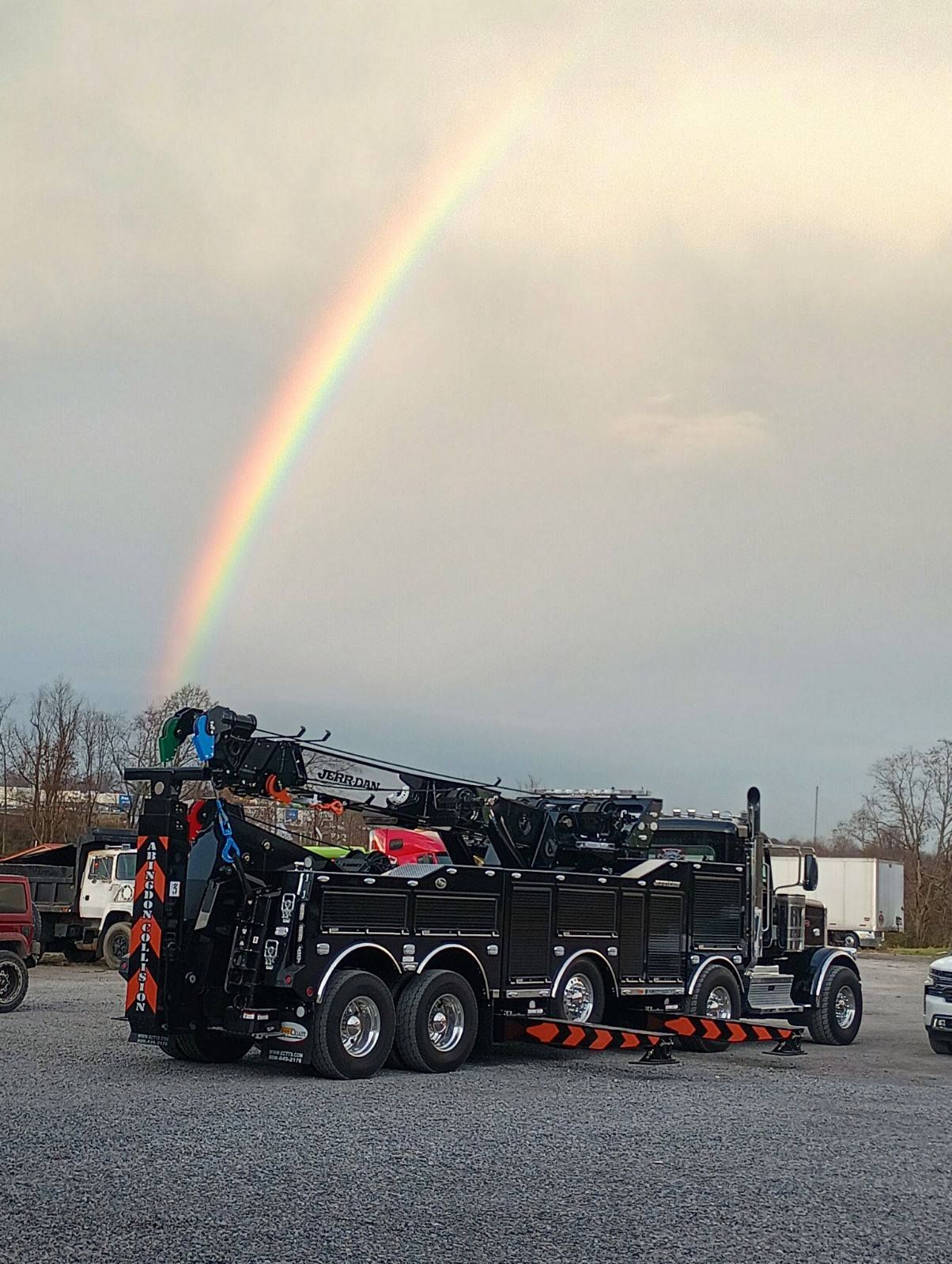
Heavy duty recovery handles semis, buses, construction equipment, and oversized loads that exceed 26,000 pounds. High-capacity wreckers and certified operators are required because standard equipment can't safely lift or stabilize these vehicles. Rollover recovery, multi-axle stabilization, and load securing require specialized rigging that light and medium duty trucks lack.What happens during accident recovery services?
Emergency response teams assess vehicle position, coordinate with law enforcement, and deploy recovery equipment for extraction. Rollover recovery involves stabilization rigging before uprighting, while multi-vehicle incidents require sequenced removal to avoid further damage. Recovery includes documenting vehicle condition and securing debris for insurance and legal purposes.Can towing services transport construction equipment safely?
Construction equipment and agricultural gear require flatbed or lowboy trailers with capacity for concentrated weight loads. Experienced operators use chain binders, load leveling, and axle positioning to prevent trailer sway and equipment shifting. Track-driven machinery needs different securing points than wheeled equipment to avoid hydraulic and undercarriage damage during transport.What should I do immediately after a car accident in southwest Virginia?
Call 911 if anyone's injured, then move to a safe location if the vehicle's drivable. Document the scene with photos before vehicles are moved, exchange insurance information, and request police documentation. Emergency towing services can respond while you're still on-site and coordinate directly with law enforcement for proper accident reporting.How does frame alignment work after collision damage?
Frame alignment uses hydraulic machinery and laser measuring systems to pull bent frame rails back to factory specifications. Unibody vehicles require different techniques than body-on-frame trucks because stress distributes differently. Proper alignment prevents uneven tire wear, steering pull, and structural weakness that compromise safety long after visible body damage is repaired.What does insurance claims coordination include for collision repairs?
Direct coordination with insurance adjusters involves submitting repair estimates, documenting pre-existing versus accident damage, and handling supplement requests when hidden damage appears during teardown. This streamlines approval timelines and ensures coverage matches actual repair needs. Shops handle paperwork exchanges so you're not mediating between the insurer and repair facility.Why do rollover recoveries require certified operators?
Rollover recovery involves calculating center of gravity, rigging lift points that won't collapse body panels, and controlling uprighting speed to prevent fluid leaks or secondary damage. Certification training covers load physics, rigging inspection, and stabilization techniques that prevent the vehicle from shifting unexpectedly. Improper recovery turns rollovers into total losses.What roadside assistance services work for stranded vehicles?
Jump starts address dead batteries, tire changes handle flats when you have a spare, lockout services open vehicles without key damage, and fuel delivery brings enough gas to reach a station. These services resolve breakdowns without towing, but if the issue involves mechanical failure beyond a quick fix, the same truck can tow to a repair facility.How does private property towing stay compliant with vehicle removal laws?
Compliant private property towing requires posted signage with specific wording, property owner authorization, and documented proof of violation before removal. Tow operators photograph the vehicle's position, note the time, and follow local ordinances for notification and storage. Swift removal deters repeat violators while following legal procedures that prevent liability for property owners.Are towing services available 24/7 in northeast Tennessee and southwest Virginia?
Round-the-clock emergency towing covers breakdowns, accidents, and roadside emergencies throughout the region regardless of time or day. Fast response times matter most during night hours when other services close and weather conditions worsen. Availability extends across Abingdon, Bristol, Marion, Johnson City, and Kingsport for consistent coverage.