Towed After an Accident in Abingdon, VA? How the Handoff from 24-Hour Towing to Collision Repair Works
When a crash happens on a dark stretch of Southwest Virginia road at 2 a.m., the gap between your disabled vehicle and a repaired one depends largely on whether your tow company and your body shop are the same operation. If they are not, your car can sit in a tow yard for days while you arrange a separate shop, duplicate the insurance calls, and wait for an estimate to even begin.
What Happens When a Crash Occurs Overnight or on a Weekend?
Crashes do not wait for business hours, and the first hours after an accident set the pace for everything that follows — which means 24/7 availability is a practical requirement, not a bonus.
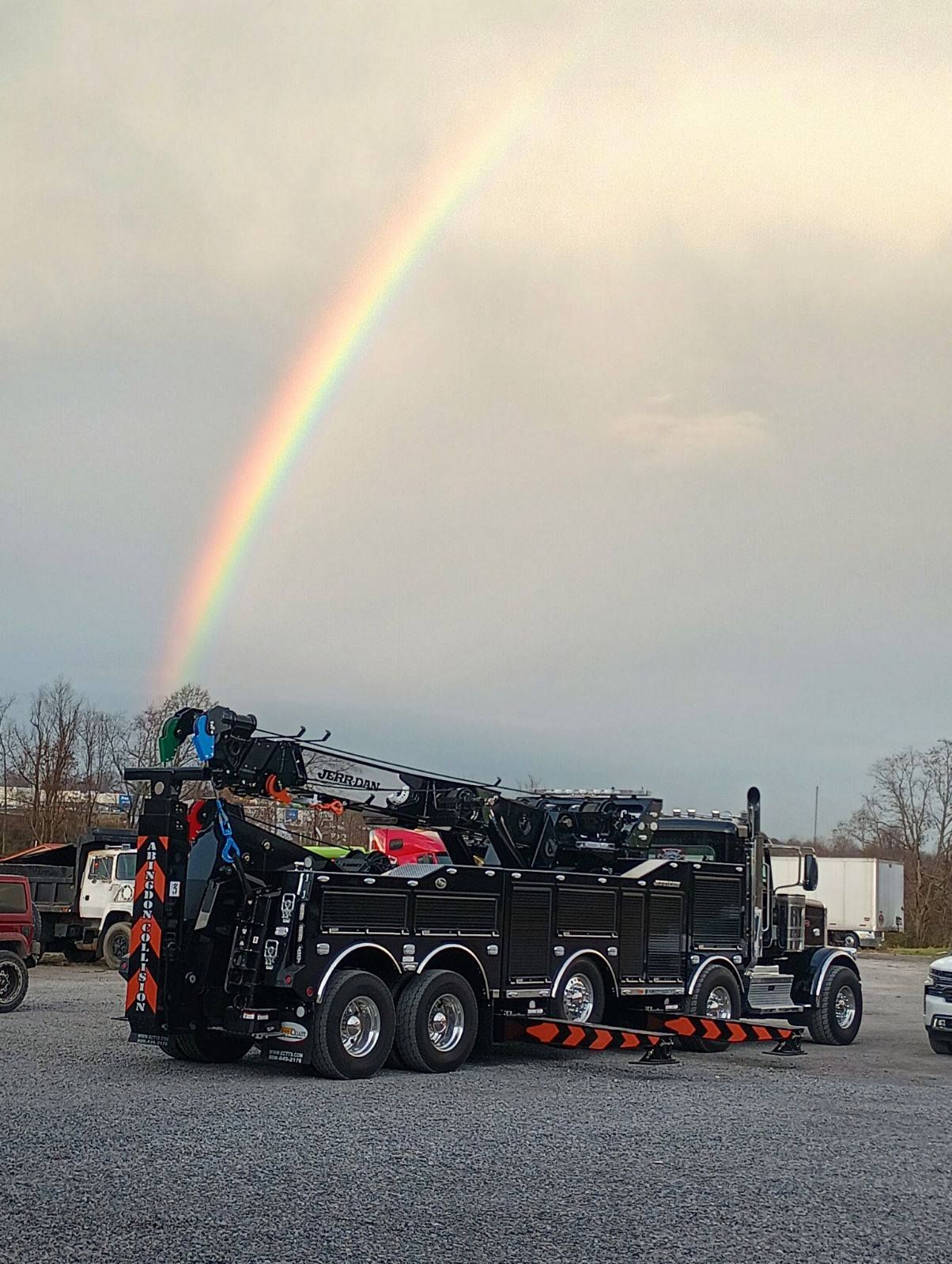
A provider that answers calls nights, weekends, and holidays can dispatch a tow truck while the scene is still fresh. For vehicles that have left the roadway, gone into a ditch, or are otherwise unsafe to move by a standard hook, specialized accident recovery in Abingdon equipment is needed before any tow can begin. Getting that call answered immediately prevents the vehicle from sustaining additional weather or road damage while you wait.
Once the truck is dispatched, your vehicle is transported directly to the Jeb Stuart Hwy location in Abingdon — the same facility where the collision repair happens. That direct drop-off means damage assessment can start as soon as the shop opens, rather than waiting for a transfer between two unconnected businesses.
Can You Choose Where Your Car Gets Towed?
Yes — Virginia law gives you the right to direct your vehicle to the repair facility of your choice, and exercising that right early prevents storage fees from accumulating at an unaffiliated tow yard.
If a tow truck arrives at the scene before you have made a decision, you can still name a destination. Directing the tow to a combined towing-and-repair provider means the vehicle arrives where the estimate will be written, the parts will be ordered, and the certified work will be done. The alternative — towing to a yard and then arranging a second transport to a body shop — adds time, coordination, and often extra fees.
For standard passenger cars and light trucks, light duty towing covers the most common post-accident scenarios. Knowing ahead of time that one call covers both the recovery and the repair destination removes a decision you should not have to make while standing on the side of Route 19 at midnight.
How the One-Call Timeline Actually Works
A single integrated provider moves your vehicle and your claim through a defined sequence rather than a series of handoffs between strangers.
First, the emergency call is answered 24/7 and a truck is dispatched. At the scene, the team secures the vehicle — using accident recovery methods if the car is off-road — and transports it to the Jeb Stuart Hwy facility. Because the tow company and the body shop share the same location and staff, the damage assessment begins without the delay of scheduling a drop-off at a separate shop.
Insurance paperwork is initiated in-house. The same team that handled the tow communicates directly with your insurer, so you are not relaying information between two companies or repeating the same details to different adjusters. I-CAR and ASE-certified technicians then perform the collision repair, working from an estimate that was built at the same facility that received the tow.
Each step feeds directly into the next. The cause-and-effect is straightforward: fewer transfers mean fewer delays, and fewer delays mean the insurer receives complete documentation faster.
Southwest Virginia Weather and Road Conditions Add Urgency
Washington County roads see ice, fog, and steep grades that make post-accident vehicle recovery more complex than in flat urban areas — and those same conditions make a quick, local response more important.
A vehicle left on a shoulder in freezing rain sustains ongoing damage to exposed components. A single provider based on Jeb Stuart Hwy can respond faster to local crash scenes than a distant tow company transferring to a separate Abingdon shop. Seasonal conditions in Southwest Virginia make the hours between the crash and secure indoor storage a meaningful variable in how much repair work the vehicle ultimately needs.
One Provider vs. Two — Why the Handoff Matters
Using a tow-only company plus a separate body shop creates friction at every transition: duplicate insurer calls, uncertain storage timelines, and delayed estimate starts.
When the same operation handles the tow and the repair, there is a single point of contact from the crash scene to the finished vehicle. The storage location is the repair location. The person who logged the tow can pull up the same file the estimator uses. That continuity shortens the overall timeline and reduces the chance that details fall through the gap between two unconnected businesses.
A streamlined process means your insurer gets accurate, timely documentation and your vehicle moves from damaged to repaired without sitting in a holding pattern.
Schedule your recovery and repair with Abingdon Collision & Towing — one call connects you to 24/7 emergency towing and certified collision repair at the same Abingdon location.